
Explore and understand life in better ways
🧬 Introduction
Welcome to the fascinating world of computational biology, where the frontiers of computer science merge with the complexities of life itself. Join us on this exhilarating journey as we delve into the realm of bioinformatics, genomics, and the boundless possibilities they offer.
Part 1: Bioinformatics – The Language of Life
In the vast universe of biological data, bioinformatics acts as the compass, guiding us through its intricacies. Combining computer science, statistics, and biology, bioinformatics plays a pivotal role in analyzing DNA, RNA, and protein sequences. With algorithms and databases at our disposal, we can unravel the secrets hidden within the genetic code.

Part 3: Systems Biology – Revealing the Complexity of Living Systems
In the labyrinth of living systems, computational biology offers us a guiding light. Systems biology integrates experimental data with mathematical models, providing a holistic understanding of how genes, proteins, and biochemical reactions interact. Through simulations and predictions, we unravel the intricate web of life and gain insights into diseases, drug discovery, and personalized medicine.
Part 2: Genomic Sequencing – Unlocking the Blueprint of Life
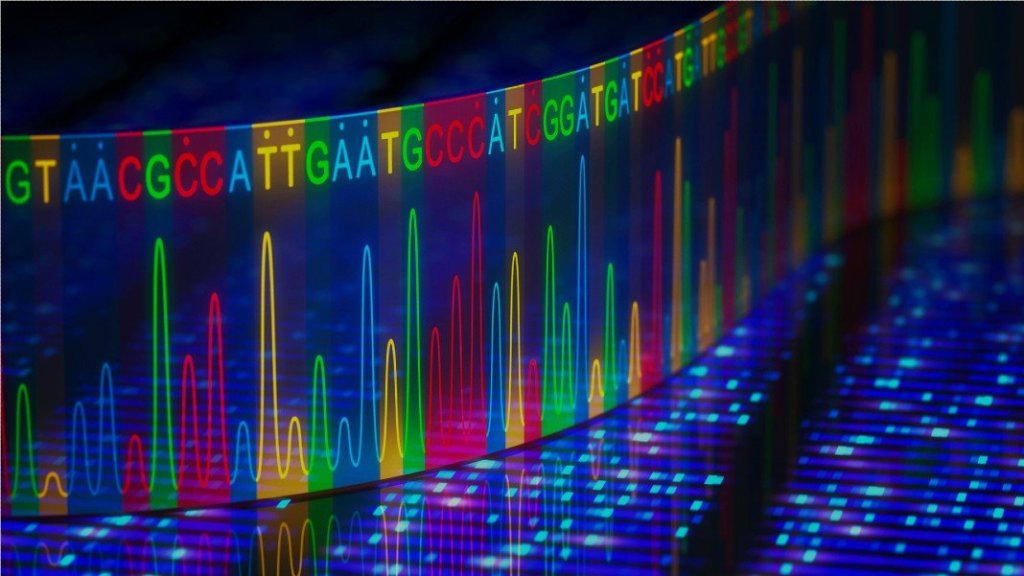
Genomic sequencing has revolutionized our understanding of life, enabling us to read the blueprint encoded in our DNA. Computational methods analyze vast amounts of sequencing data, helping us decipher genetic variations, identify disease-causing mutations, and unravel the intricate mechanisms governing our biological processes.
Part 5: Structural Biology – Decoding the Three-Dimensional Architecture
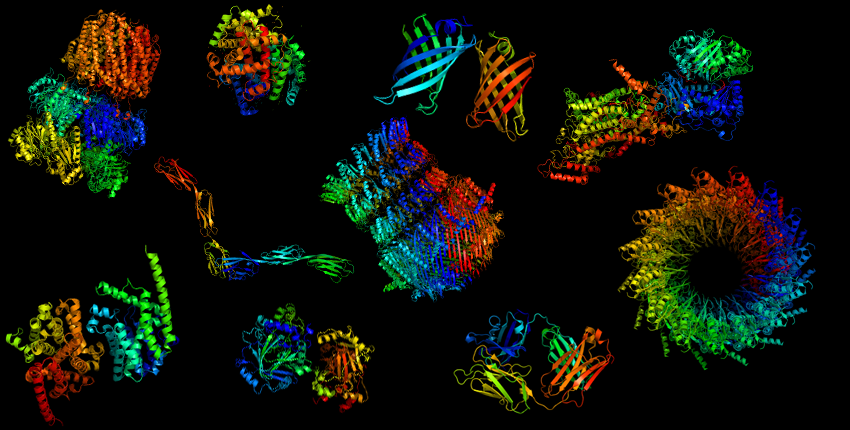
In the intricate dance of proteins, their three-dimensional structures hold the key to understanding their functions. Computational methods such as molecular modelling and simulation enable us to predict and analyze protein structures, unravelling their roles in diseases and aiding in the design of novel drugs. These tools unlock the secrets hidden within the shapes that govern life’s fundamental processes.
Conclusion
Computational biology enables us to explore and understand life in better ways. With the fusion of computer science and biological sciences, we unlock the mysteries of DNA, understand the complex interactions within living systems, and decipher the code of life itself. Let us continue to embrace the power of computational biology and embark on a never-ending quest to unlock nature’s deepest secrets.
Author: Abdelhai Ben Ali, PhD
Supporting documents
Here are supporting documents related to Computational Monte Carlo Physics:
- S. C. Rastogi, Namita Mendiratta. Bioinformatics: Tools and Applications. Journal of Pharmacy and Bioallied Sciences (2010), read the article.
- Kiran Dindhoria, Isha Monga & Amarinder Singh Thind. Computational approaches and challenges for identification and annotation of non-coding RNAs using RNA-Seq. Functional & Integrative Genomics volume 22, pages1105–1112 (2022), read the article.
- Hiroaki Kitano. Computational Systems Biology: A Review. Nature Year (2002), read the article.
 Computational Visua TEK