
Introduction
Welcome to ComputationalVisua TEK, where we strive to push the boundaries of medical physics and radiation therapy to enhance patient care. We are thrilled to unveil one of the latest innovation, “Ultra-Fast Monte Carlo Dose Calculation.” This groundbreaking technique is set to transform the landscape of radiation therapy planning, significantly reducing computation time while maintaining uncompromised accuracy. In this article, we explore how this cutting-edge approach is revolutionizing radiation therapy for the better

Understanding Ultra-Fast Monte Carlo Dose Calculation
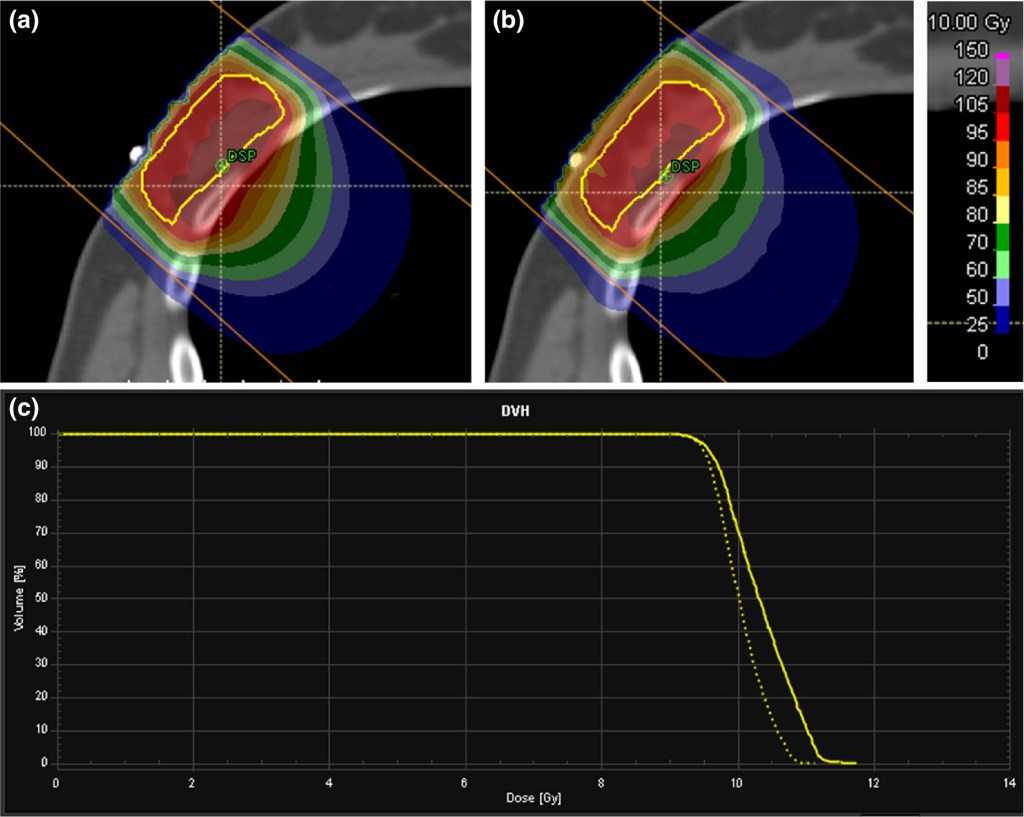
Traditionally, radiation dose distributions have been calculated using Monte Carlo simulations. While highly accurate, this method can be computationally intensive, posing challenges for real-time clinical applications. Ultra-Fast Monte Carlo technique harnesses advanced algorithms and powerful GPU acceleration to expedite the process without compromising on precision.
Advantages and Benefits
The introduction of Ultra-Fast Monte Carlo Dose Calculation brings numerous advantages to radiation therapy planning. By leveraging the capabilities of GPU acceleration and optimizing algorithms, the process significantly shortens the time needed for dose calculations. This translates to reduced waiting times for treatment plans, allowing clinicians to evaluate plans more efficiently. Moreover, this technique maintains the highest level of accuracy, ensuring patients receive safe and precise radiation therapy.
Machine Learning in Ultra-Fast Monte Carlo Dose Calculation
As part of the quest for excellence in radiotherapy planning, we can use the potential of machine learning techniques in Ultra-Fast Monte Carlo Dose Calculation. By training machine learning models on vast datasets, we can predict dose distributions and optimize treatment plans with limited simulation data. This approach not only saves computation time but also enhances the overall quality of treatment plans, opening new possibilities for the future of radiation therapy.
Hybrid Approaches for Enhanced Efficiency
To further optimize the process, hybrid approaches have been integrated into the Ultra-Fast Monte Carlo Dose Calculation. By combining the strengths of Monte Carlo simulations with deterministic methods, such as pencil beam algorithms, to strike a perfect balance between speed and accuracy. This integration guarantees that patients receive tailored and effective treatment plans, all while maximizing resource utilization in clinical settings.
Conclusion
With the introduction of ultra-fast Monte Carlo dose calculation, radiotherapy planning is being redefined. This innovative approach delivers the best of both worlds: lightning-fast computation and unparalleled accuracy. Through the expertise in GPU acceleration, advanced algorithms, and integration of machine learning, radiation therapy planning are revolutionizing, providing patients with optimal treatment plans and improved outcomes.
Author: Abdelhai Ben Ali, PhD
Supporting Documents
- Xun Jia et al. GPU-based fast Monte Carlo dose calculation for proton therapy. Phys Med Biol. 2012 Dec 7; 57(23): 7783–7797. doi: 10.1088/0031-9155/57/23/7783, read the article.
- Min-Yu Tsai et al.A new open-source GPU-based microscopic Monte Carlo simulation tool for the calculations of DNA damages caused by ionizing radiation — Part I: Core algorithm and validation. Med Phys. 2020 Apr;47(4):1958-1970. doi: 10.1002/mp.14037, read the article.
 Computational Visua TEK
One response to “Introduction to Ultra-Fast Monte Carlo Dose Calculation”
Great stuff
LikeLiked by 1 person